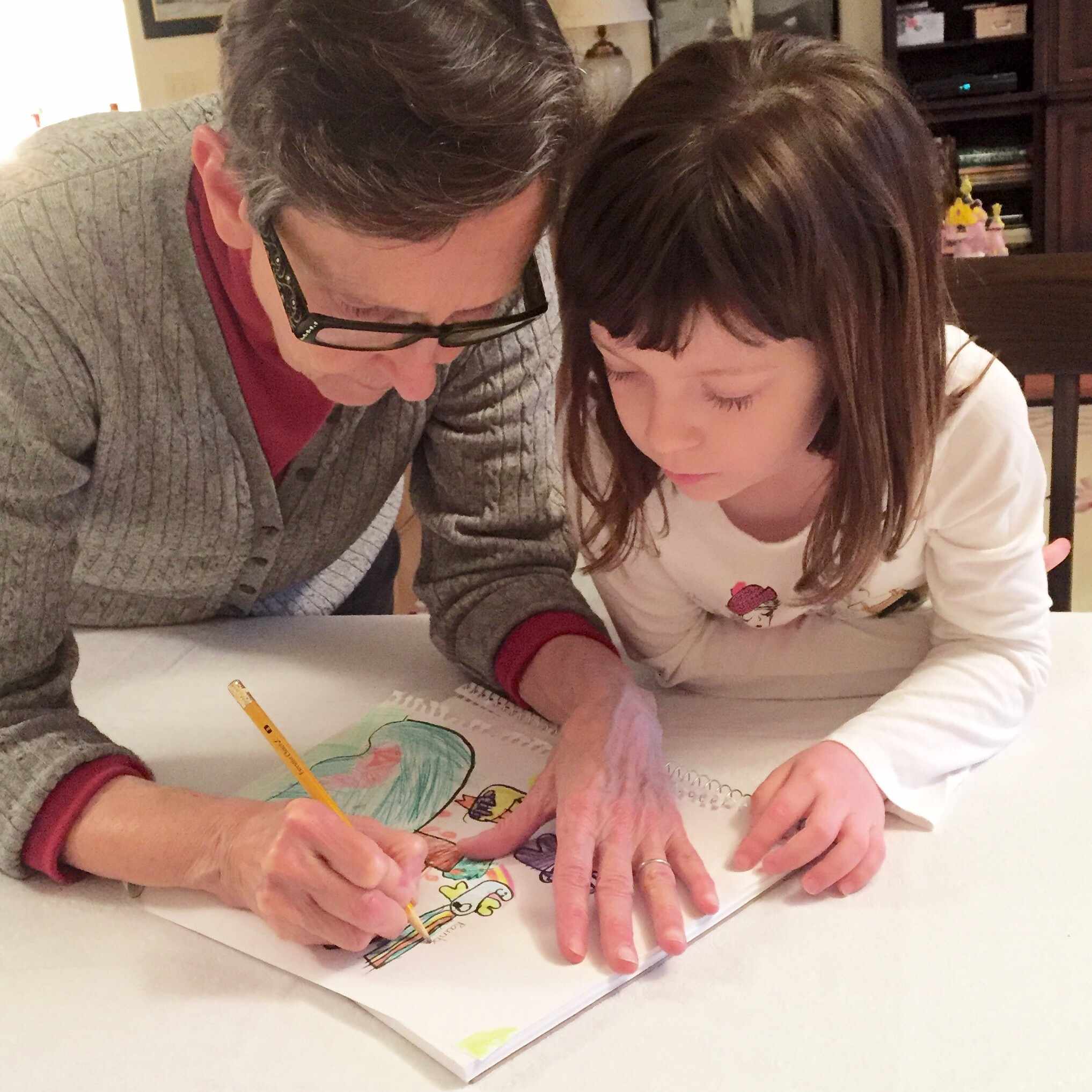
How Book Illustration Practice Works
Read practical notes on rough sketches, page flow, and story beats.

A Course Built Around Clear Pages
BookCanvas Course focuses on the early decisions that make a book illustration readable: choosing one story moment, testing thumbnail sketches, leaving space for text, and checking whether the reader’s eye finds the main action. The approach keeps practice grounded in roughs, revisions, character consistency, and simple spread planning before polished detail.


Why This Approach Helps
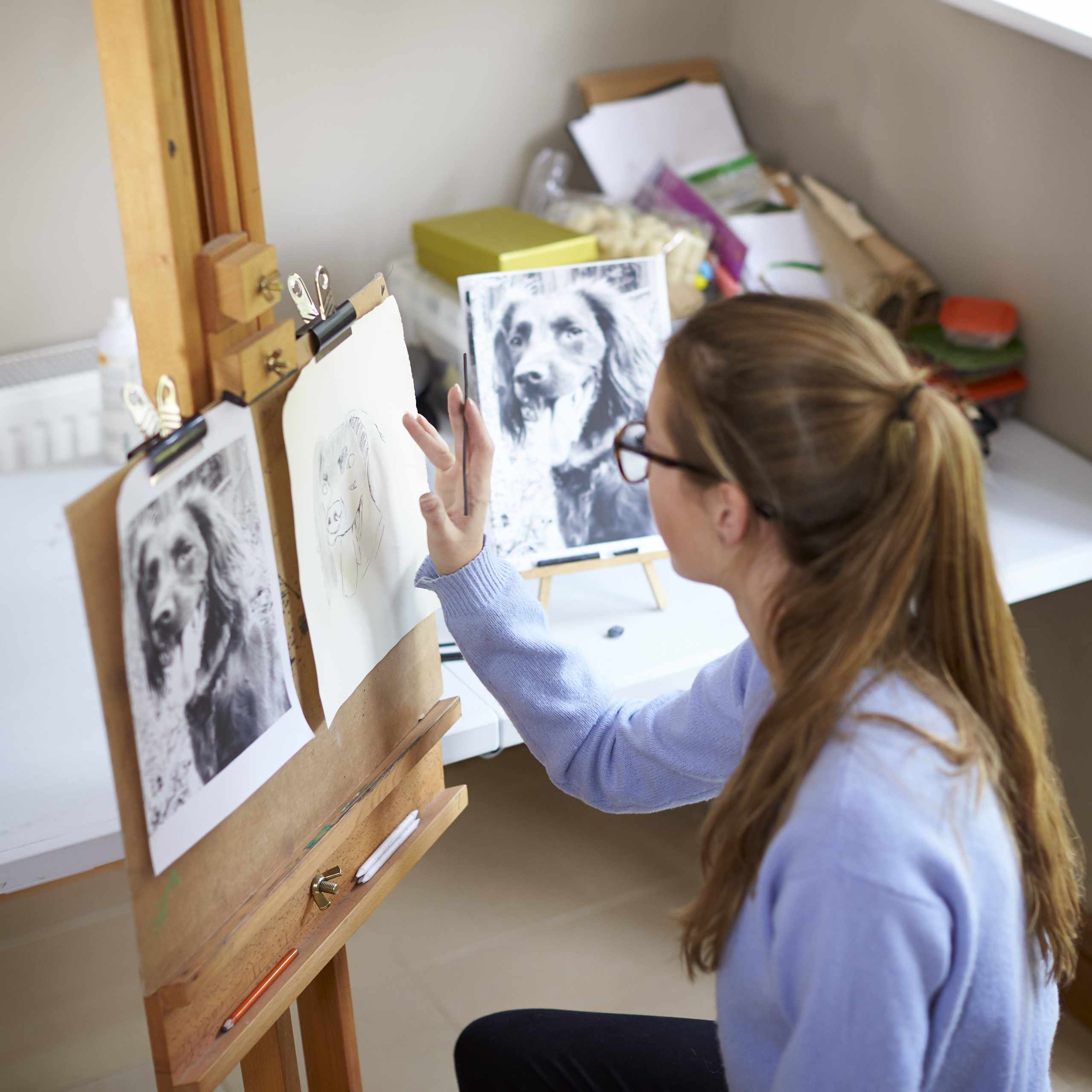
New illustrators often try to solve the whole page at once, which can make a spread feel crowded or unclear. This course approach separates the process into smaller checks: what the scene is about, where the focal point sits, how the character reads, where the text area belongs, and which details support the mood.
FROM ROUGH IDEA TO READABLE SPREAD
Practice That Starts Small
A short text excerpt can become several thumbnail options before it becomes one larger drawing. By comparing rough sketches, marking the focal point, and noticing crowded areas early, the page becomes easier to revise.